June 11, 2026
As the world increasingly shifts towards sustainable practices, gardening enthusiasts and professional agriculturists alike have discovered the numerous benefits associated with using greenhouses. The integration of greenhouses into gardening approaches represents a step towards adopting more eco-friendly agricultural practices. Let's explore the growing necessity for sustainable practices in modern agriculture and highlight the role a greenhouse plays in achieving these objectives, effectively contributing to a healthier planet.
Enhanced Plant Growth and Yield
Controlled Environment for Optimal Growth
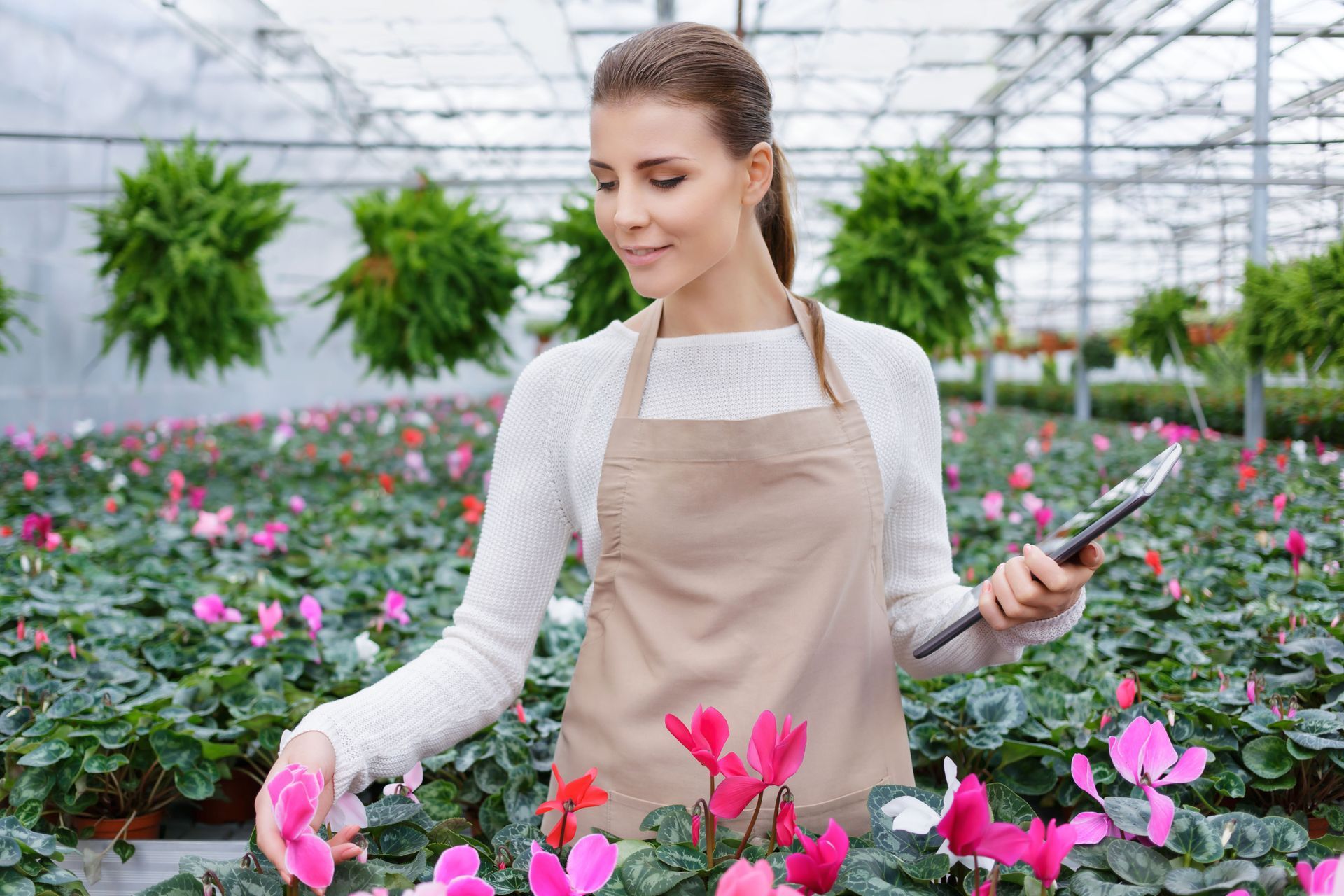
Greenhouses provide a controlled environment that's fundamental for optimal plant growth. The ability to regulate temperature, humidity, and light involves creating ideal conditions that traditional outdoor gardening can't provide. By maintaining these conditions, plants can focus energy on growth and productivity, enhancing yield outputs significantly. This controlled setting helps reduce plant stress, which often leads to improved plant health and higher quality produce. For gardening and agricultural endeavors, creating consistency in production is vital for achieving long-term sustainability.
Extended Growing Seasons
One of the significant advantages of greenhouse gardening is the extension of growing seasons. By insulating plants from harsh weather conditions, gardeners can cultivate crops throughout the year, irrespective of external climatic changes. This access to off-season production allows for a continuous food supply, contributing to better food security and reduced dependence on imported produce. Moreover, season extension helps in maximizing the use of greenhouse space, thus improving overall efficiency. As consumer demands grow, having the capability to produce harvest-ready crops irrespective of season becomes commercially advantageous.
Protection From Pests and Diseases
Greenhouses act as a physical barrier against pests and diseases that can ravage crops. This layer of protection means gardens require fewer chemical interventions such as pesticides, which are often detrimental to the environment. Consequently, greenhouse gardening aligns with sustainable practices, promoting healthier produce. The ability to better manage plant conditions within a greenhouse reduces the spread of diseases, ensuring more robust plant growth. By minimizing chemical application, gardeners also contribute to preserving biodiversity in surrounding ecosystems.
Resource Efficiency
Water Conservation Techniques
Greenhouses utilize innovative water conservation techniques that significantly reduce water wastage. Systems such as drip irrigation provide water directly to plant roots, minimizing evaporation and runoff. The closed environment of greenhouses allows for more efficient monitoring and reduction of water usage, aligning with sustainable resource management practices. This efficient water management is not only cost-effective but also crucial in regions facing water scarcity. By harnessing these techniques, gardeners can lower their ecological footprint, ensure the availability of water to meet the needs of water-sensitive plants, and comply with sustainability goals.
Efficient Use of Fertilizers
Applying fertilizers efficiently and minimizing waste is another hallmark of greenhouse gardening. In a controlled greenhouse setting, fertilizer applications can be precisely tailored to the specific needs of various plants, resulting in effective nutrient uptake and reduced runoff. Targeted feeding strategies conserve resources and prevent the leaching of nutrients into surrounding ecosystems, which can often be a consequence of conventional farming practices. This systematic approach to fertilization increases plant productivity and reduces the risk of fertilizer-induced plant stress. As a result, greenhouse-grown plants often showcase superior quality and yield as compared to their field-grown counterparts.
Energy Saving Methods
Adopting energy-saving methods in greenhouse gardening contributes to resource efficiency. Technologies such as solar panels and thermal energy storage allow for sustainable and cost-effective greenhouse operation. By harnessing natural energy sources, greenhouses can significantly mitigate energy costs, making them more viable and ecologically responsible. Energy conservation not only reduces operational expenses but also aligns with global sustainability initiatives designed to combat climate change. As energy efficiency becomes increasingly crucial, greenhouse systems can set a benchmark in blending ecological practices with innovative technology products.
Climate Control Benefits
Temperature Regulation
Temperature regulation is a cornerstone benefit of using greenhouses, offering a stable climate that is crucial for plant development. Sophisticated climate control systems within greenhouses enable precise temperature settings to cater to the specific requirements of diverse plants. The ability to artificially maintain an optimal growing temperature is particularly advantageous during adverse weather conditions. These regulated environments facilitate consistent year-round production, a key component in capitalizing on market opportunities and improving food security. Greenhouses thereby create an insulating buffer against climate vulnerabilities that can hinder traditional outdoor agriculture.
Humidity Management
Proper humidity management is essential to prevent plant diseases and ensure optimal physiological processes. Greenhouses provide the tools necessary for monitoring and adjusting moisture levels within the plant's environment, minimizing the prevalence of fungal infections and other humidity-related ailments. By adjusting humidity levels, plant respiration and photosynthesis can be optimized, supporting healthier growth and improved crop yields. Effective humidity control also complements other elements of plant care, creating a holistic growing atmosphere within the greenhouse climate. Through effective moisture management, greenhouses contribute significantly to the health and productivity of cultivated plants.
Light Optimization
Light optimization is an integral aspect of greenhouse gardening that supports robust plant growth. Modern greenhouses often integrate advanced lighting systems that imitate natural sunlight, accommodating the specific photoperiod needs of different plant species. Selective light-filtering processes ensure the provision of adequate light exposure, promoting efficient photosynthesis and enhancing plant development. With better control over light conditions, greenhouses can maximize the efficiency of photosynthetic processes, translating into superior plant yields and growth rates. Light optimization not only enhances overall plant health but also assists in the cultivation of high-quality, market-ready produce.
Economic Advantages
Cost Savings in Crop Production
The initial investment in greenhouse infrastructure can lead to significant cost savings in crop production over time. By stabilizing and optimizing growth conditions, greenhouses can substantially augment yield, enhance crop uniformity, and ensure the consistent quality of produce. These factors contribute to greater profitability for greenhouse operators and enable them to satisfy market demands more reliably. Moreover, greenhouse operations foster reduced input costs such as pesticides and fertilizers due to their controlled environment. With high productivity margins, greenhouse crop production supports economic viability and sustainability of agricultural efforts.
Investment in Sustainable Infrastructure
Investment in greenhouse technology represents a strategic choice in sustainable infrastructure that prioritizes long-term ecological benefits. While the initial costs can be considerable, the return on investment arises from increased production efficiency, resource conservation, and lower operational costs over time. Greenhouses replace dependence on weather and seasonal fluctuations with resilient growing systems that prepare for adapting to future climate uncertainty. This investment aligns with the economy's transition towards more sustainable development pathways. Additionally, one of the trends that has propped up nursery and garden stores' revenue growth is household spending on sustainable gardening options, according to IBISWorld, reflecting an ongoing commitment to greener living choices.
Potential for Greenhouse Business Opportunities
The increasing adoption of greenhouse gardening opens numerous avenues for entrepreneurship and business expansion. Greenhouse operations can diversify into niches such as specialty crop cultivation, organic produce, or aquaponics systems, creating distinct market differentiators. The lucrative nature of these ventures promotes resourceful business strategies while encouraging the cultivation of high-demand crops tailored to emerging consumer trends. Moreover, emphasizing environmentally friendly processes aligns with eco-conscious consumer bases, strengthening brand identities and competitiveness. By integrating sustainable principles, greenhouses present a promising area for economic growth and innovative agricultural entrepreneurship.
A greenhouse can offer a practical and sustainable solution for gardeners, growers, and agricultural businesses seeking to improve productivity while reducing environmental impact. Through enhanced climate control, efficient resource management, and reduced reliance on chemical treatments, greenhouses support healthier plants and more consistent yields throughout the year. Their ability to conserve water, optimize energy use, and create new economic opportunities makes them a valuable investment in the future of agriculture. If you're interested in starting a greenhouse, reach out to Huck's Home & Garden today for soil, gardening supplies, and more!