July 15, 2026
As the seasons change, local gardeners in Lumberton, TX gear up to plant new varieties and staple favorites in their landscapes. This seasonal shift brings with it an opportunity to explore current trends and emerging choices embraced by gardeners. Factors such as climate, regional preferences, and available space play a crucial role in what is planted. Gardening is experiencing a massive resurgence, spurred by a growing interest in beauty and outdoor living. In this article, we will delve into the popular vegetables, fruits, herbs, and flowers that define this planting season, supported by insights into gardening innovations and challenges. Finding the right materials at a local plant nursery makes all the difference when setting up a seasonal landscape.
Select Popular Vegetables for This Planting Season
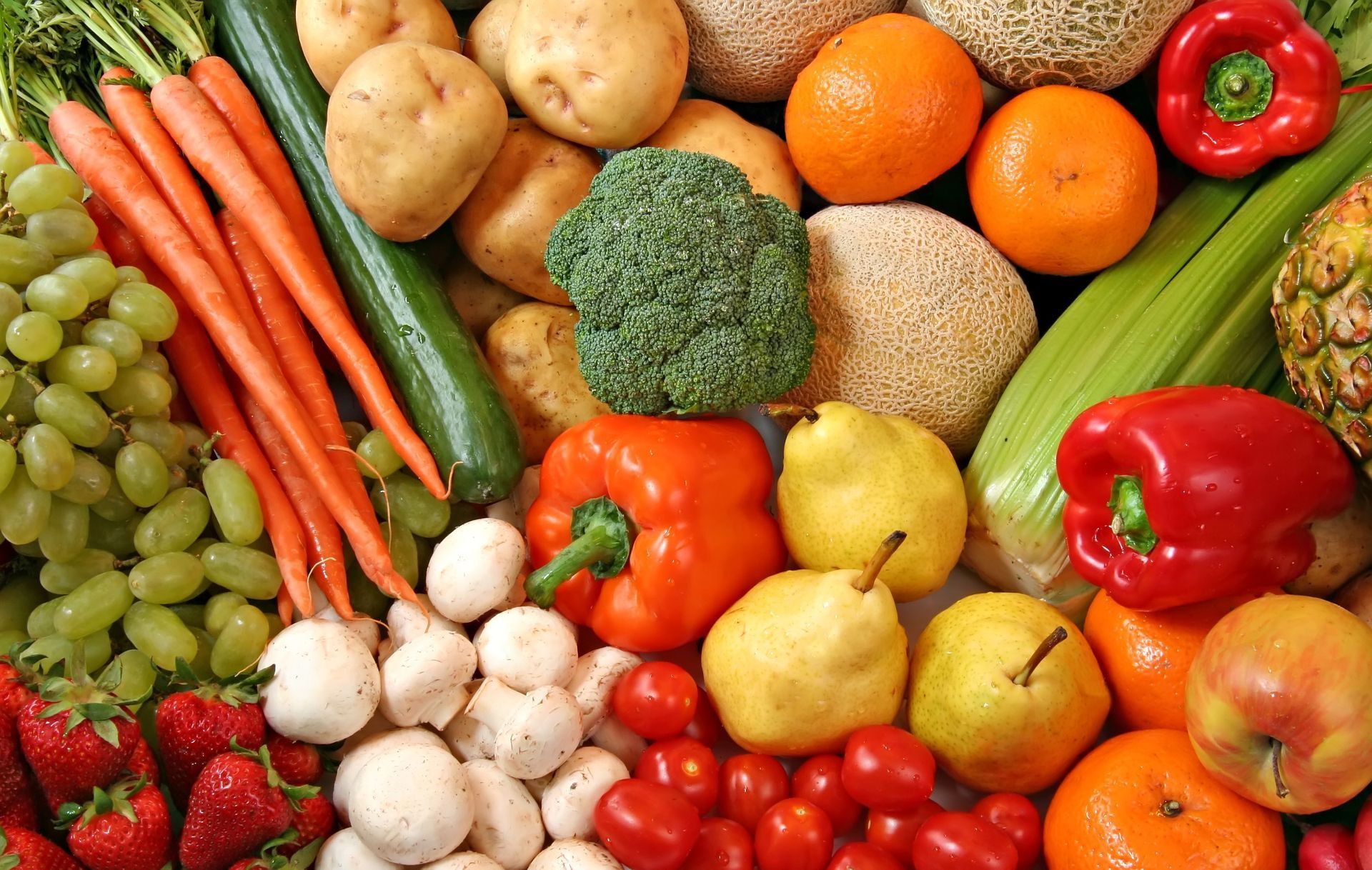
Tomatoes have long reigned as a favorite among gardeners for their versatility and ease of growth. This season, heirloom varieties are gaining popularity, appreciated not only for their flavor but also their diverse colors and shapes. The growing trend of backyard cultivation has made tomatoes a go-to choice due to their high yield. Aromatic vine-ripened tomatoes picked fresh from the vine have an unparalleled taste that interests culinary enthusiasts. Through the practice of companion planting, pairing tomatoes with basil is believed to enhance their flavor and yield, offering a delightful combination for any summer dish. Selecting healthy starters from a local plant nursery ensures that these heavy feeders get the best possible start in your garden.
Root vegetables are witnessing a major comeback as gardeners seek to diversify their home harvest. Carrots and beets are especially popular due to their nutritional benefits and hardiness in various soils. Additionally, these vegetables can be grown throughout different seasons, making them a resilient choice for gardeners. The resurgence of interest in root vegetables reflects a broader shift towards growing produce that can be stored over time.
Leafy greens such as kale, lettuce, and spinach continue to captivate gardeners due to their fast growth and versatility in dishes. These nutrient-rich plants cater to the increasing demand for healthy, homegrown produce. Gardeners appreciate leafy greens for their ability to grow well in compact spaces, making them perfect for urban environments. Their repeat harvesting potential makes them a worthwhile investment for anyone looking to maximize their garden output. Moreover, planting leafy greens supports the trend of cultivating a salad garden, offering fresh, convenient options for meals.
Gather Top Fruits Gaining Ground Among Gardeners
Berries such as strawberries, raspberries, and blueberries are becoming increasingly popular among enthusiastic gardeners. These fruits are favored not only for their delicious taste but also their adaptability to various growing conditions. Berry plants often thrive in containers, suiting urban gardeners who may have limited space. They are relatively low maintenance once established, producing abundant fruits season after season with the right care. Gardeners are embracing berry cultivation as part of a broader trend towards self-sufficient and eco-friendly living. Picking up these premium berry varieties at a local plant nursery gives gardeners access to strong, acclimated stock.
Orchard fruits like apples and pears are being adapted for growing in smaller gardens through dwarf and espalier varieties. These compact trees fit well into suburban settings, where space is a constraint. The ability to train these trees along walls or in containers makes them a practical and attractive option for local gardeners. Despite their size, these trees can produce high-quality fruit, bringing the experience of an orchard into even the smallest gardens. Their presence in local gardens also contributes to biodiversity, offering shelter and food for various pollinators.
Citrus fruits are making waves among gardeners interested in diversifying their plantings. While traditionally seen in warmer climates, modern techniques and specially bred varieties have made it feasible to grow citrus in more temperate regions. Trees like lemons, limes, and oranges are being welcomed into local gardens for their dual purpose of aesthetic appeal and culinary uses. The maintenance of citrus trees can be a bit more involved compared to other fruits, requiring careful attention to temperature and soil, but their vibrant fruits are worth the effort.
Choose Trending Herbs and Their Uses
Culinary herbs continue to dominate local gardening trends, thanks to their wide array of uses in cooking. Herbs like basil, rosemary, and thyme are favorites for adding fresh flavor to meals, drawing more gardeners to cultivate them. These herbs not only enhance the taste of dishes but also offer health benefits and aromatic qualities that uplift the senses. With the rise in popularity of kitchen gardens, these staples are proving essential and easy to grow in various conditions. Their versatility in the kitchen makes them an invaluable addition to any garden.
In addition to culinary herbs, medicinal herbs are becoming increasingly popular among local gardeners. Plants such as lavender, chamomile, and echinacea are being grown not just for their aesthetic beauty but also for their healing properties. The growing interest in natural remedies is driving this trend, as people seek to create homemade herbal remedies. These plants can be used to produce teas, tinctures, and topical treatments, promoting wellness in a more sustainable and self-reliant manner. Their presence in gardens signifies a deeper understanding and utilization of nature's gifts.
Drying and storing herbs properly ensures that their flavors and aromas are preserved for long-term use. Harvest time plays a crucial role, and most herbs are best collected just before they flower. Stems of herbs like rosemary and thyme can be bound together and hung upside down in a dark, well-ventilated area to dry. Alternatively, a dehydrator offers a quicker and more controlled drying process. Once dried, storing herbs in airtight containers away from direct sunlight preserves their potency, providing a supply of fresh seasonings throughout the year. If you want to expand your herb collection, visiting a local plant nursery is a great way to find unique varieties.
Review Flower Varieties Defining This Season's Aesthetics
This season, native flowers are making a bold statement across local gardens. Their adaptation to the local climate means they require less maintenance and show greater resilience to local pests. By planting native varieties, gardeners actively contribute to preserving local biodiversity, providing habitats for pollinators like bees and butterflies. Moreover, native flowers like the coneflower and black-eyed Susan can bloom profusely with minimal care, offering vibrant displays. Their presence in gardens is a testament to sustainability intertwined with beauty, creating conservation-conscious landscapes.
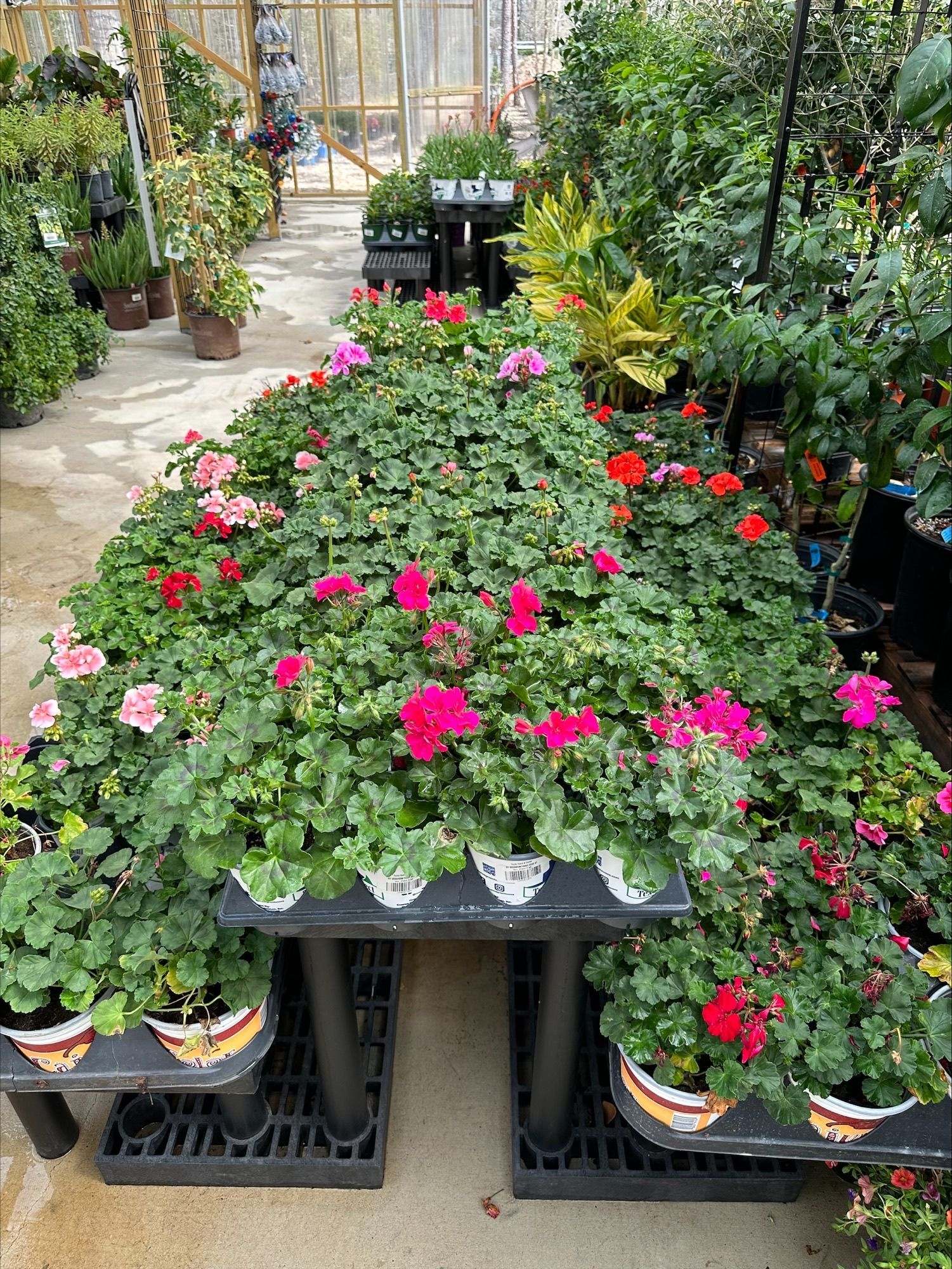
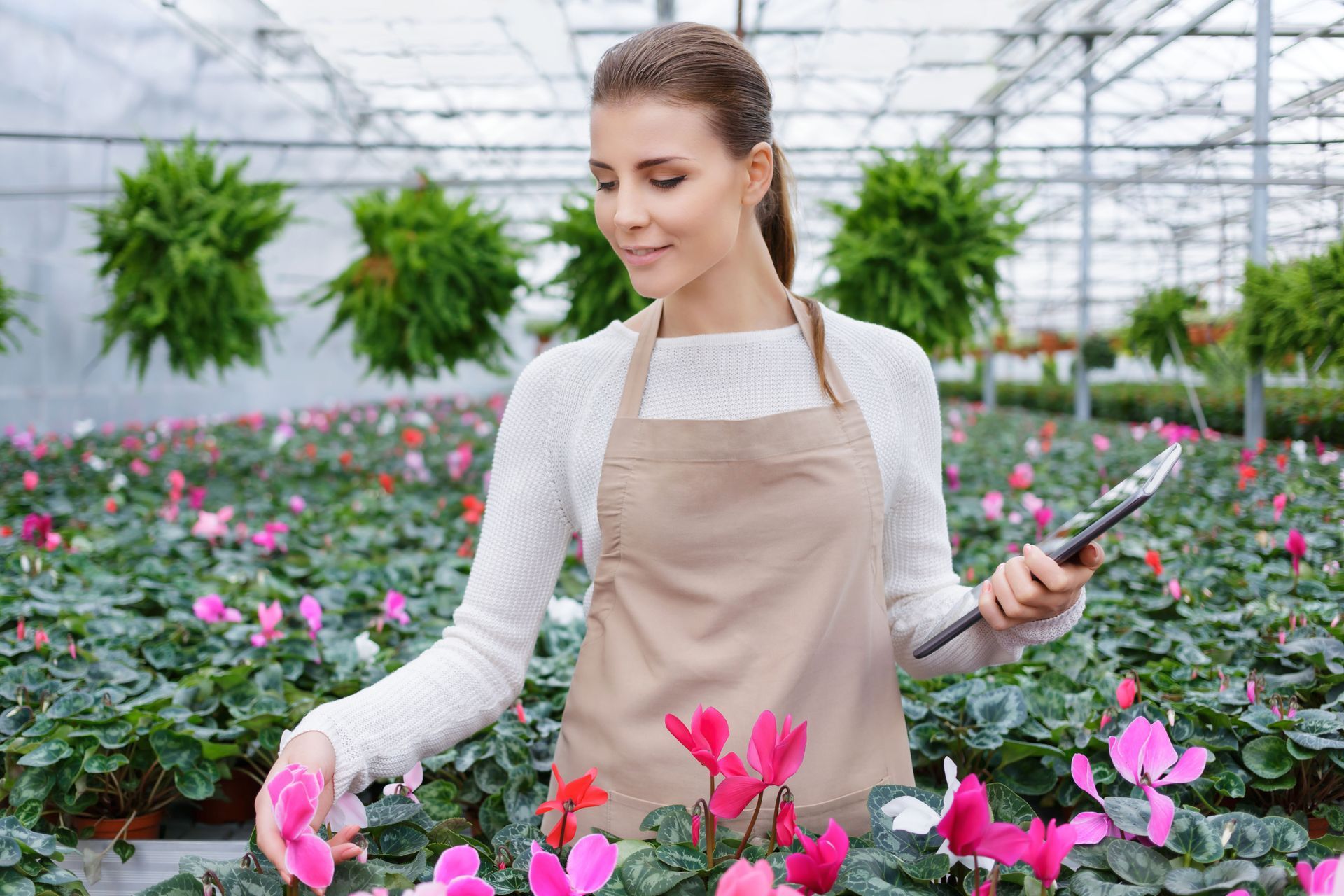
Perennials and annuals each offer distinct advantages, leading gardeners to carefully consider their preferences when planning their gardens. According to Greenhouse Management, when looking at what retailers are growing in their greenhouses, annuals have taken the lead at 62%, with perennials a close second at 59%. Perennials are cost-effective due to their ability to return year after year, requiring initially higher investment but offering long-term benefits. Annuals, on the other hand, appeal for their ability to provide dynamic and ephemeral color throughout the growing season. The balance between these two choices reflects gardeners' desire to achieve both reliable endurance and seasonal excitement in their gardens. We can discover a vast array of both options at a local plant nursery to keep our beds looking vibrant.
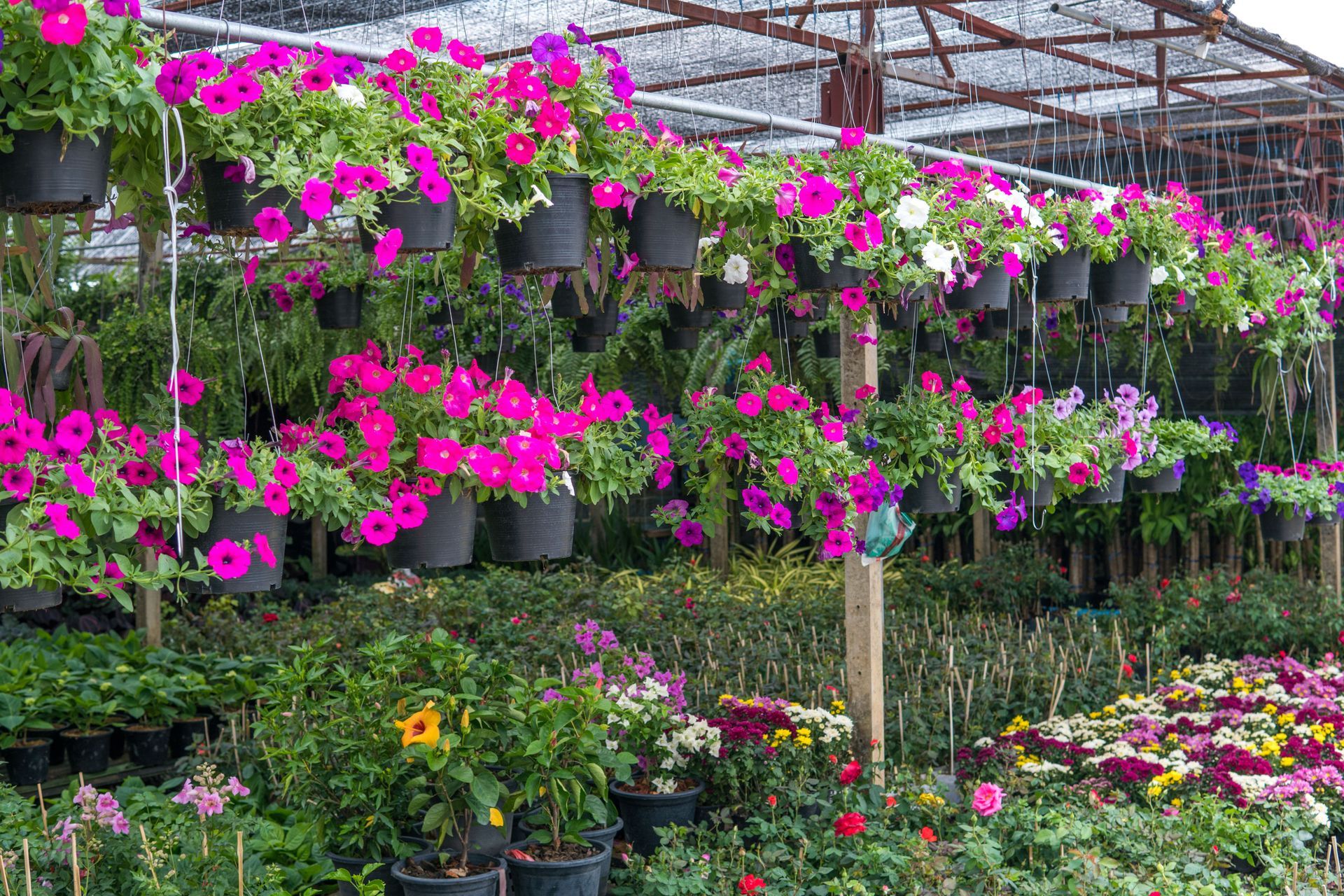
Pollinator-friendly flowers are gaining traction as gardeners look to support struggling bee and butterfly populations. Species like lavender, sunflowers, and salvia are chosen for their ability to attract and sustain vital pollinators. By selecting nectar-rich and diverse plantings, gardeners can create thriving habitats that contribute to ecological balance. Additionally, these flowers often require fewer chemical interventions, promoting organic gardening practices. The concerted effort to support pollinators underscores a growing awareness of the role gardens play in a healthy and balanced environment. You can purchase these varieties at a local plant nursery to build a sanctuary in your own backyard.
Whether you are looking for vibrant seasonal plants, high-quality soil and mulch, essential gardening supplies, or beautiful pots and planters, we have everything you need to make your landscape thrive. We also carry a wonderful selection of home fragrance and seasonal decor to bring the beauty of the outdoors inside your home. We are proud to offer competitive prices, gift certificates, and wholesale accounts to serve both retail customers and professional landscapers in the community. Let us help you transform your outdoor space into a beautiful oasis this season as a local plant nursery. Stop by Huck's Home and Garden today to explore our incredible current inventory and start your next project.