March 19, 2026
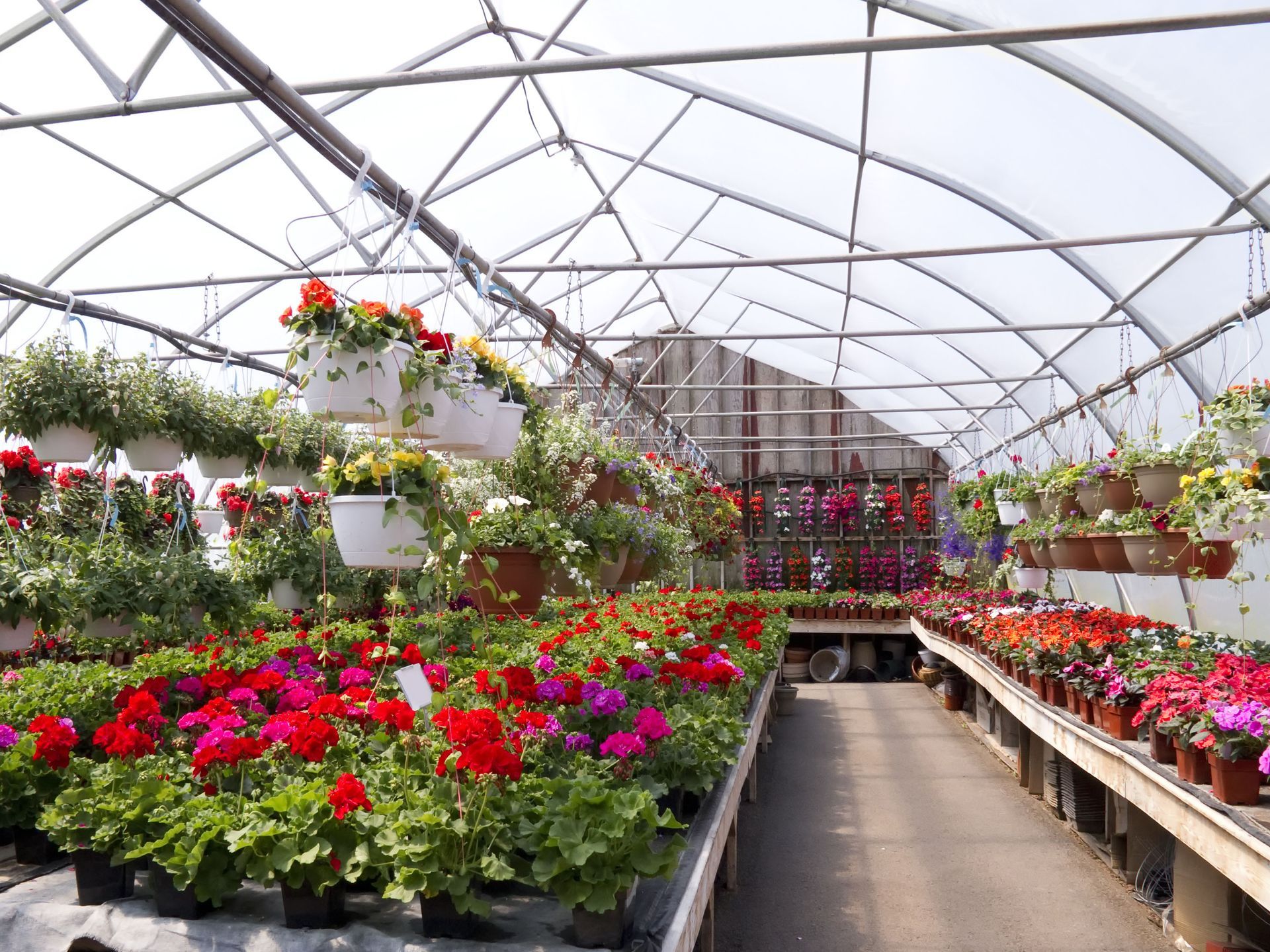
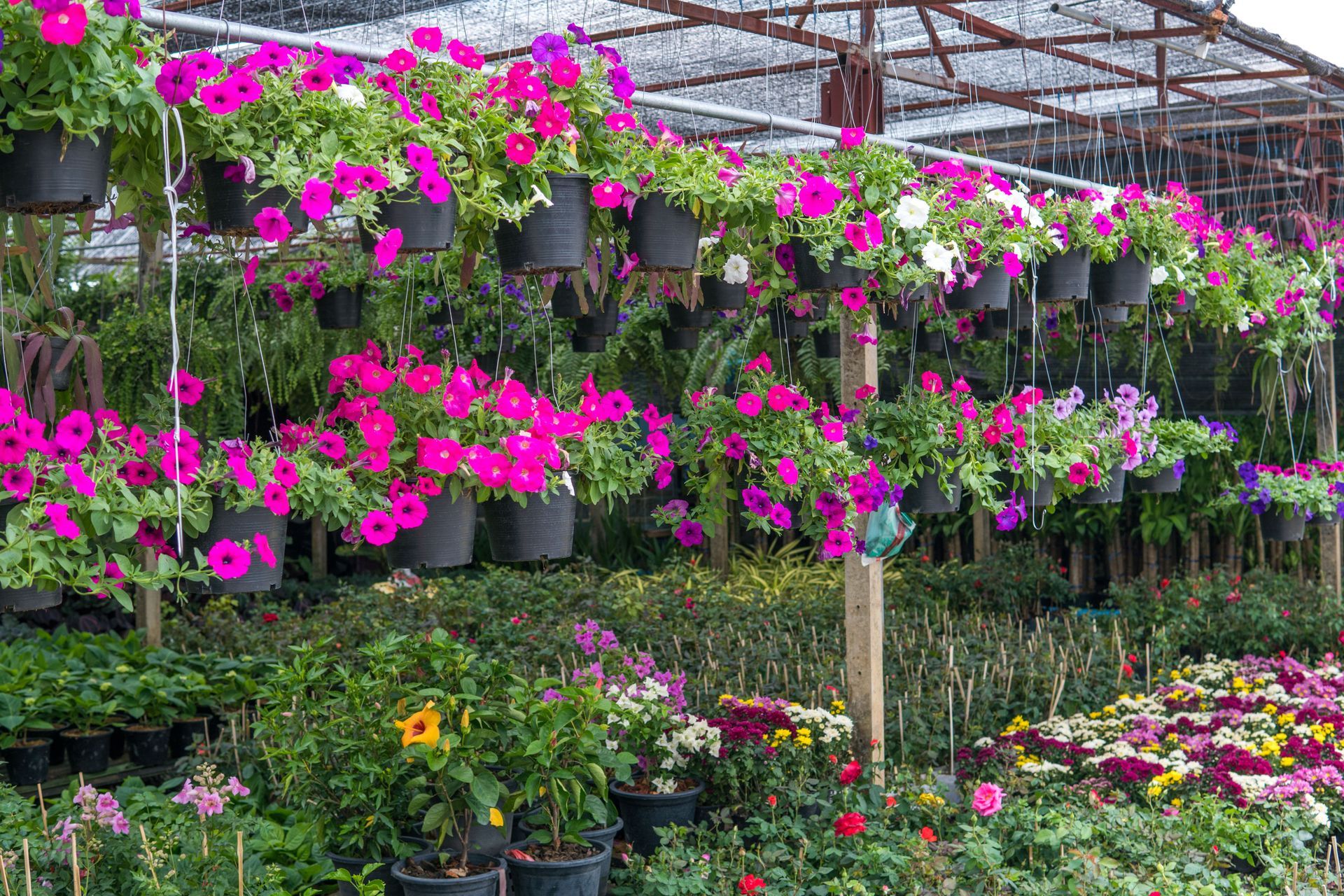
Selecting healthy, appropriate plants for your garden requires more than simply choosing attractive specimens that catch your eye in greenhouse displays. The difference between plants that thrive for years and those that struggle or die shortly after planting often comes down to making informed choices based on plant health, growing requirements, and compatibility with your specific garden conditions. Many gardeners make expensive mistakes by purchasing beautiful plants without understanding their needs or recognizing warning signs of poor health that predict disappointing performance after transplanting. Understanding what to look for when evaluating greenhouse plants helps you invest wisely in specimens that will flourish rather than wasting money on inferior plants that never reach their potential. The knowledge that experienced gardeners apply when selecting plants transforms shopping trips from guesswork into strategic decisions that consistently produce beautiful, healthy gardens.
Inspecting Overall Plant Health and Vigor
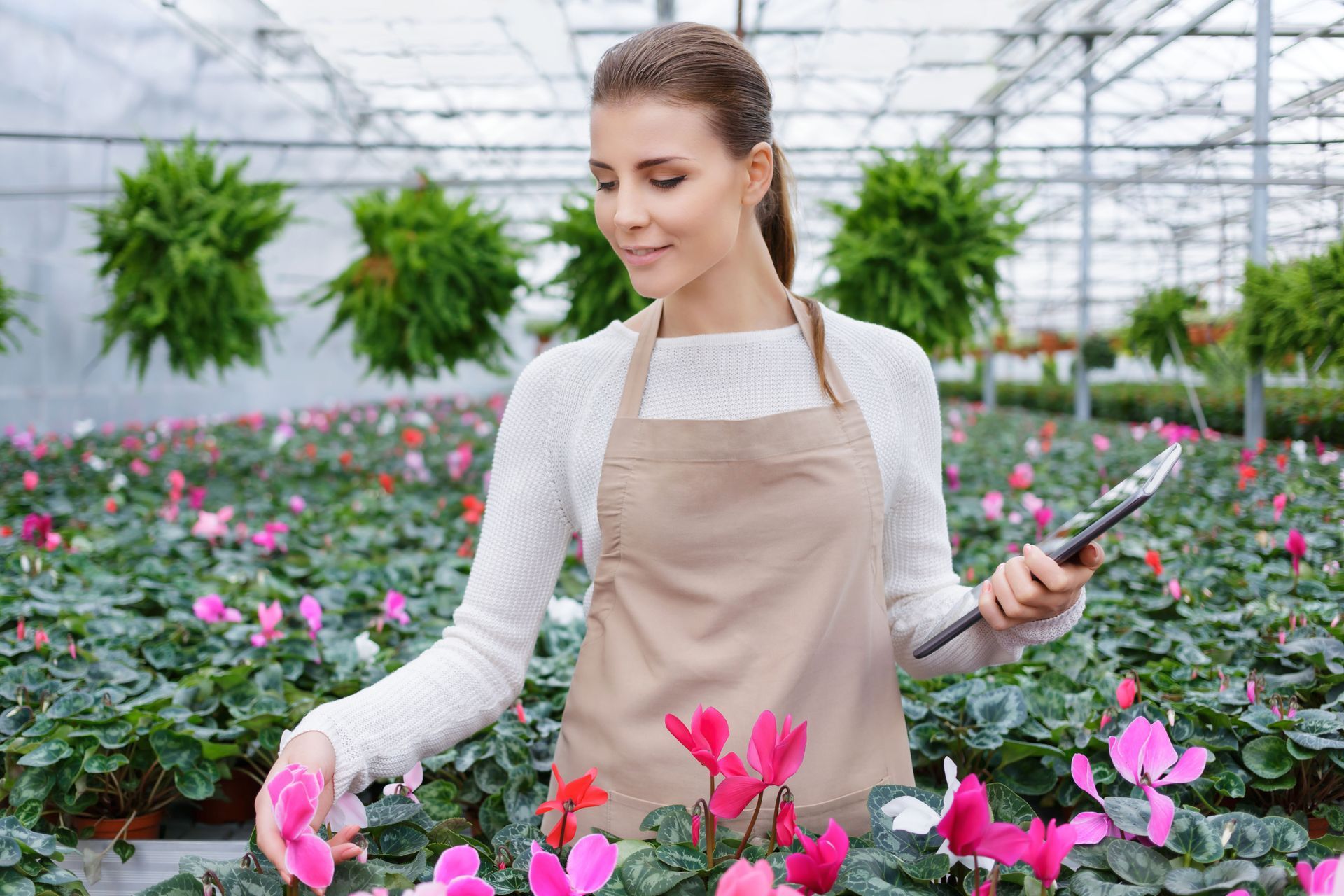
According to IBISWORLD, Industry revenue has grown at a CAGR of nearly half a percent over the past five years, to reach an estimated $50bn in 2025. Healthy plants display vibrant green foliage, sturdy stems, and overall vigor that indicates they're actively growing rather than stressed or declining. Look for plants with full, balanced shapes rather than spindly growth, excessive stretching, or lopsided development, suggesting poor growing conditions. Avoid specimens with yellowing leaves, brown spots, wilting foliage, or other visible signs of disease, pest damage, or neglect that predict problems after planting. Staff at a reputable local greenhouse can explain what specific plants should look like when healthy and help you distinguish normal characteristics from warning signs indicating plants to avoid, despite attractive pricing or initial appearance.
Checking Root Systems for Proper Development
Gently removing plants from containers allows you to inspect root systems for healthy white or light-colored roots throughout the root ball without excessive circling or pot-bound conditions. Plants with roots circling tightly around the outside of root balls may struggle to establish properly after planting, as roots continue circling rather than extending into the surrounding soil. Conversely, plants with sparse root systems that fall apart when removed from pots haven't been in containers long enough to establish and may suffer transplant shock. Quality plants show well-developed root systems that hold soil together but haven't become so root-bound that they'll struggle to break out of established circular growth patterns after transplanting into gardens.
Understanding Your Garden's Growing Conditions
Before visiting any greenhouse, evaluate your garden's sun exposure, soil type, drainage characteristics, and microclimate conditions that determine which plants will actually thrive in your specific environment. Plants requiring full sun will struggle in shady gardens regardless of how healthy they appear at purchase, while shade-loving species burn and decline when planted in sunny exposures. Soil pH, moisture retention, and drainage affect which plants succeed, making it essential to match plant requirements with actual conditions rather than choosing based solely on appearance. Knowledgeable staff at your local greenhouse can recommend plants suited to your conditions when you describe your garden accurately, rather than suggesting beautiful specimens that won't survive in your actual growing environment.
Timing Purchases Appropriately for Planting
Buying plants too early in spring, when the weather remains too cold for safe planting, creates care burdens and stress as specimens languish in containers waiting for appropriate outdoor conditions. Purchasing too late in the season means missing out on the best selection and may result in plants that haven't been hardened off properly for transition from protected greenhouse environments to outdoor conditions. Understanding appropriate planting windows for different plant types helps you time purchases so specimens can be planted promptly rather than requiring extended container care that stresses plants. Seasonal availability at your local greenhouse typically aligns with optimal planting times, but asking staff about recommended planting dates for specific purchases ensures you're buying at the right time for successful establishment.
Comparing Prices and Value Across Different Sizes
Larger plants cost more but establish faster and provide immediate impact, while smaller specimens require patience but cost significantly less and often establish more successfully than larger plants suffering transplant shock. Evaluating price-per-size helps you determine whether premiums for larger plants justify the immediate gratification they provide versus savings from smaller plants that catch up within a season or two. Some plants establish so easily from small sizes that buying large specimens wastes money, while others benefit substantially from starting with more mature plants. Discussing size options with experienced local greenhouse staff helps you understand which plants justify premium pricing for larger sizes and which establish so readily that smaller, more economical options provide better value for budget-conscious gardeners.
Asking About Plant Origin and Growing Methods
Locally grown plants adapted to your climate often establish more successfully than those shipped from distant regions and grown under very different conditions from what they'll experience in your garden. Plants grown outdoors or in minimally heated greenhouses tend to be hardier than those produced in highly controlled environments that don't prepare them for real-world growing conditions. Understanding whether plants were started from seed, cuttings, or divisions helps you evaluate quality, as propagation methods affect plant characteristics and establishment success. Reputable staff at your local greenhouse willingly discuss plant origins and production methods, providing transparency that helps you make informed decisions about which sources produce the most resilient, locally-adapted plants for your specific region.
Evaluating Pest and Disease Presence
Carefully inspect leaves, stems, and soil surfaces for insects, egg masses, webbing, or other signs of pest infestations that will spread to your garden if you bring home contaminated plants. Look for disease symptoms, including spots, mildew, cankers, or unusual discoloration that indicate fungal or bacterial infections potentially affecting other plants after introduction. Some pests hide under leaves or in growing tips, requiring thorough inspection beyond just cursory glances at obvious plant surfaces. A well-managed local greenhouse maintains rigorous pest and disease control, but vigilant customers who inspect carefully before purchasing protect their gardens from introducing problems that compromise existing plantings and require expensive treatment after infestations or diseases establish.
Reading Plant Tags and Labels Carefully
Plant tags provide essential information about mature size, sun requirements, hardiness zones, water needs, and other critical specifications that determine whether plants suit your conditions and space. Many gardeners ignore tags and choose based on current appearance without considering that small plants may grow much larger than the available space accommodates. Hardiness zone information indicates whether plants will survive your winter temperatures, preventing disappointment from purchasing tender plants that die during the first frost. Taking time to read and understand tag information at your local greenhouse prevents common mistakes from choosing plants based solely on appearance without confirming they're actually appropriate for your specific garden conditions and available space.
Selecting quality plants from greenhouses requires careful inspection, understanding of your garden conditions, and willingness to seek expert guidance rather than impulsively purchasing based solely on appearance. The investment in healthy, appropriate plants pays dividends through successful establishment, years of enjoyment, and avoided frustration from struggling specimens that never thrive due to poor initial health or incompatibility with your growing conditions. Taking time to evaluate plants thoroughly and ask questions ensures your gardening investments deliver the beautiful, healthy results that make the hobby rewarding rather than disappointing. Whether you need plants, soil and mulch, gardening supplies, pots and planters, home fragrance, seasonal decor, or seasonal plants, Huck's Home & Garden offers competitive prices, wholesale accounts available, and gift certificates. For more information, contact us today!